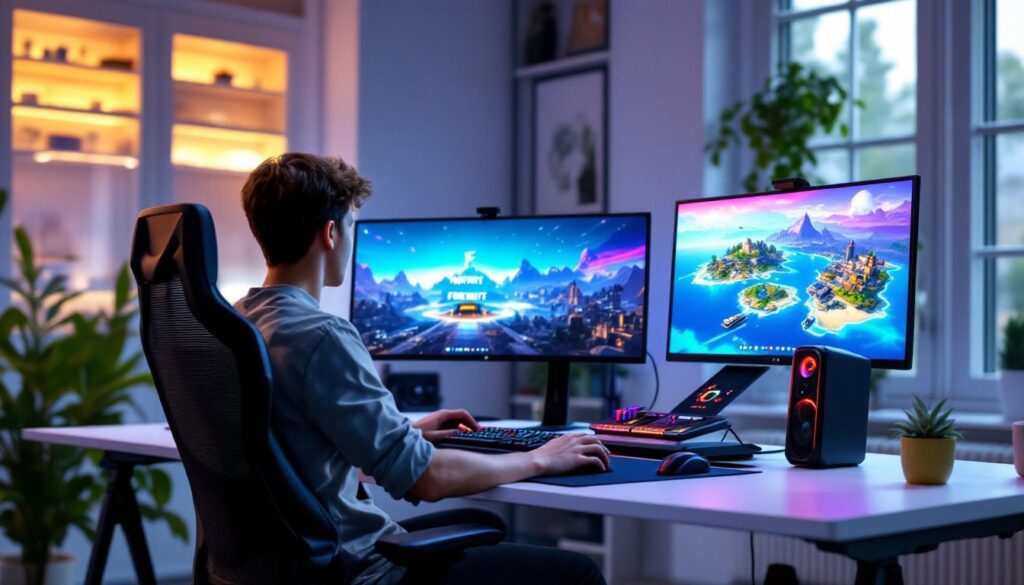

Fortnite is a free-to-play video game that has captured the attention of over 500 million players worldwide. Developed by Epic Games and released in 2017, Fortnite combines shooting, building, and survival mechanics into one fast-paced experience. The game drops players onto an island where they compete to be the last person standing. But Fortnite is more than just a battle royale game, it’s become a social platform, a concert venue, and a cultural touchstone for an entire generation. This guide explains what Fortnite is, how it works, and why it continues to dominate gaming culture years after its launch.
Table of Contents
ToggleKey Takeaways
- Fortnite is a free-to-play battle royale game developed by Epic Games that has attracted over 500 million players worldwide since its 2017 release.
- The game combines shooting, building, and survival mechanics, with matches lasting about 20 minutes as up to 100 players compete to be the last one standing.
- Fortnite offers multiple game modes beyond battle royale, including Zero Build, LEGO Fortnite, Fortnite Festival, Rocket Racing, and Creative Mode.
- The game runs on PlayStation, Xbox, Nintendo Switch, PC, and Android with full cross-platform play and free-to-play access.
- Fortnite became a cultural phenomenon through virtual concerts, brand collaborations, and its presence in streaming and esports.
- Parents should note Fortnite is rated Teen (13+) and includes chat features and in-app purchases that can be managed through parental controls.
How Fortnite Works
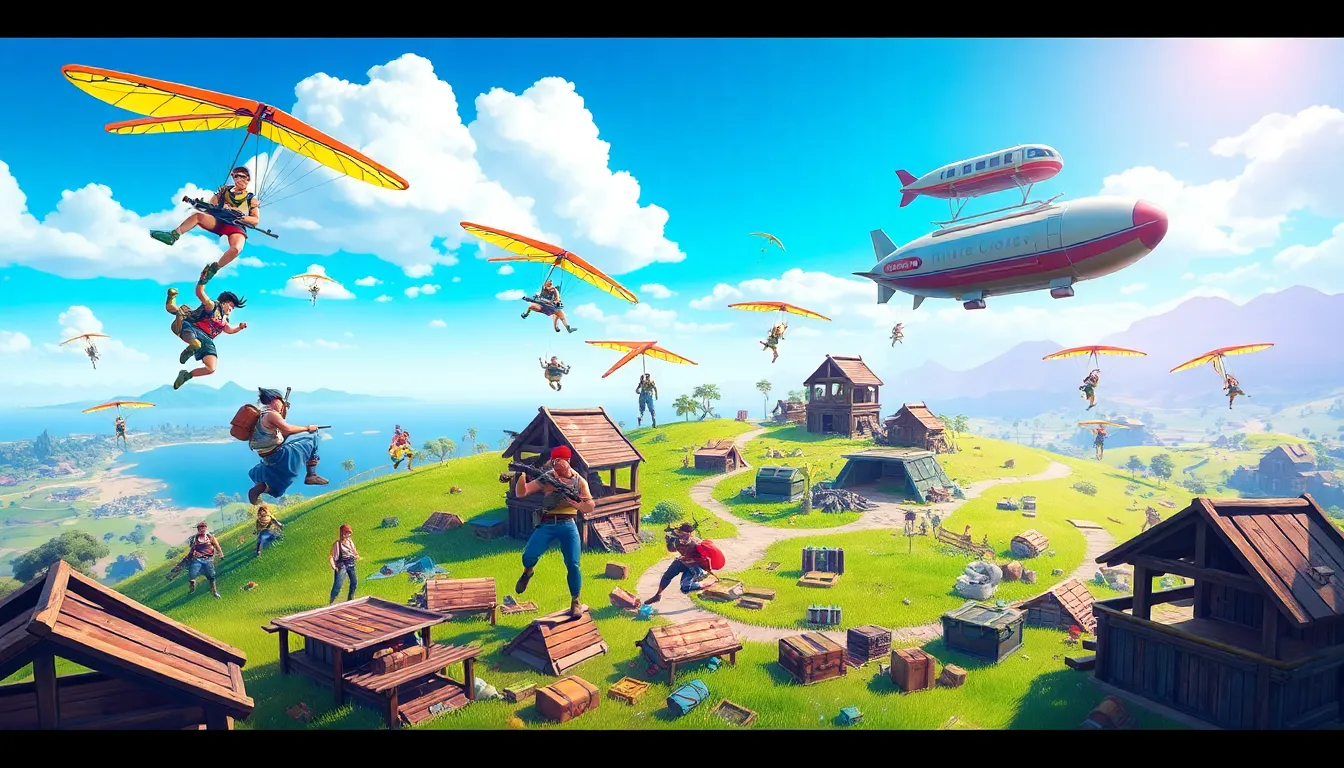
Fortnite operates on a simple but addictive premise. Up to 100 players drop from a flying bus onto an island map. Once they land, players scavenge for weapons, ammunition, and supplies. The playable area shrinks over time due to a deadly storm, forcing players into closer combat.
The last player or team alive wins the match. A typical Fortnite game lasts about 20 minutes, making it easy to squeeze in a quick session.
What sets Fortnite apart from other battle royale games is its building system. Players can harvest materials, wood, brick, and metal, from the environment. They use these materials to construct walls, ramps, and floors on the fly. Building adds a strategic layer that rewards creativity and quick thinking.
Fortnite uses a seasonal model. Each season introduces new weapons, map changes, and a Battle Pass. The Battle Pass costs around $10 and lets players unlock cosmetic items by completing challenges. These items don’t affect gameplay, they’re purely visual. This approach keeps the game fair while giving dedicated players something to work toward.
The controls are straightforward. Players aim, shoot, and build using a controller or keyboard and mouse. Epic Games updates Fortnite regularly, adding fresh content and balancing weapons to keep matches interesting.
Game Modes and Features
Fortnite offers several game modes beyond the standard battle royale experience.
Battle Royale remains the core mode. Players compete solo, in duos, or in squads of up to four. Zero Build mode removes the building mechanic entirely, appealing to players who prefer pure gunplay.
Fortnite Festival turns the game into a rhythm experience. Players perform songs using virtual instruments, similar to Rock Band or Guitar Hero. This mode features licensed music from popular artists.
LEGO Fortnite combines survival and crafting mechanics with LEGO-style visuals. Players gather resources, build structures, and explore an open world. It’s a calmer alternative to the battle royale chaos.
Rocket Racing puts players behind the wheel in arcade-style races. Tracks feature boosts, tricks, and competitive multiplayer.
Creative Mode gives players tools to build their own islands and game modes. The community has created thousands of custom experiences, from obstacle courses to horror maps to full recreations of other video games.
Fortnite also hosts limited-time events. These include collaborations with major franchises like Marvel, Star Wars, and Dragon Ball Z. Players can unlock character skins based on their favorite movies, shows, and games. These crossovers keep the game feeling fresh and generate significant buzz on social media.
Platforms and Accessibility
Fortnite runs on nearly every major gaming platform. Players can download and play on PlayStation 5, PlayStation 4, Xbox Series X/S, Xbox One, Nintendo Switch, PC, and Android devices. Epic Games removed Fortnite from iOS in 2020 due to a legal dispute with Apple, though the game remains accessible through cloud gaming services on iPhones.
The game supports cross-platform play. A player on PlayStation can team up with friends on PC or Nintendo Switch. Progress and purchases sync across platforms through an Epic Games account.
Fortnite is free to download and play. Players can spend real money on V-Bucks, the in-game currency. V-Bucks purchase cosmetic items like character skins, emotes, and gliders. None of these items provide gameplay advantages.
System requirements for Fortnite are modest. Most computers from the past five years can run the game. Epic Games also offers a performance mode for lower-end hardware.
Accessibility features include colorblind modes, subtitle options, and customizable controls. Players can adjust settings to match their needs and preferences.
Why Fortnite Became a Cultural Phenomenon
Fortnite exploded in popularity for several reasons.
First, the free-to-play model eliminated barriers to entry. Anyone with a compatible device could download and play without spending money. This accessibility helped Fortnite spread rapidly through schools, friend groups, and online communities.
Second, Fortnite became a social space. Players don’t just compete, they hang out. The game’s Party Royale mode lets players socialize without combat. In 2020, Travis Scott performed a virtual concert inside Fortnite that drew over 12 million simultaneous viewers. Ariana Grande, Marshmello, and other artists have followed with their own in-game events.
Third, Fortnite mastered the art of cultural relevance. The game constantly adds content tied to current trends. Movie releases, music drops, and sporting events all find their way into Fortnite. This strategy keeps players engaged and attracts new audiences.
Fourth, streaming and esports amplified Fortnite’s reach. Popular streamers like Ninja and Tfue built massive followings playing the game. Epic Games has invested over $100 million in competitive prize pools, legitimizing Fortnite as an esport.
The game’s dances and emotes spread beyond gaming. Fortnite dances appeared at professional sporting events, in music videos, and on playgrounds worldwide. For better or worse, Fortnite became impossible to ignore.
Is Fortnite Safe for Kids?
Fortnite carries a Teen rating from the ESRB, recommended for ages 13 and up. The game features cartoon-style violence, players shoot each other with various weapons, but there’s no blood or gore.
Parents should consider a few factors before letting children play Fortnite.
Chat Features: Fortnite includes voice and text chat. Strangers can communicate with players during matches. Parents can disable these features in the settings.
In-App Purchases: The game encourages spending through its item shop and Battle Pass. Kids may feel pressure to buy skins that their friends have. Setting spending limits or requiring approval for purchases helps manage this.
Screen Time: Fortnite is designed to be addictive. The quick match format and reward systems encourage extended play sessions. Establishing time limits prevents gaming from interfering with other responsibilities.
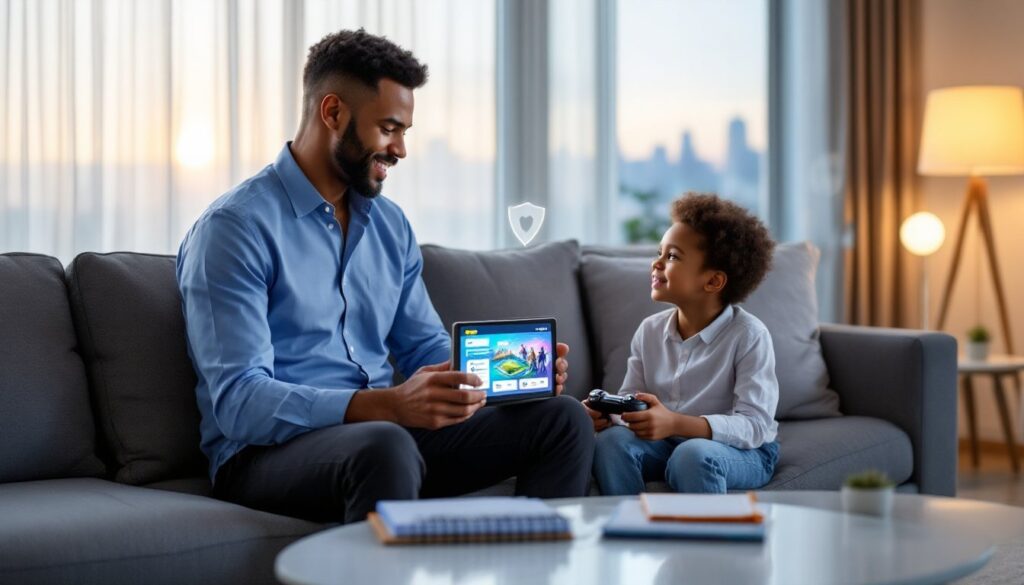
Online Interactions: Like any online game, Fortnite exposes players to strangers. Epic Games provides parental controls that restrict friend requests and limit who can communicate with the account.
Fortnite offers more safety options than many online games. Parents can link accounts to monitor playtime and manage settings remotely. The game itself doesn’t contain mature themes beyond the combat element.