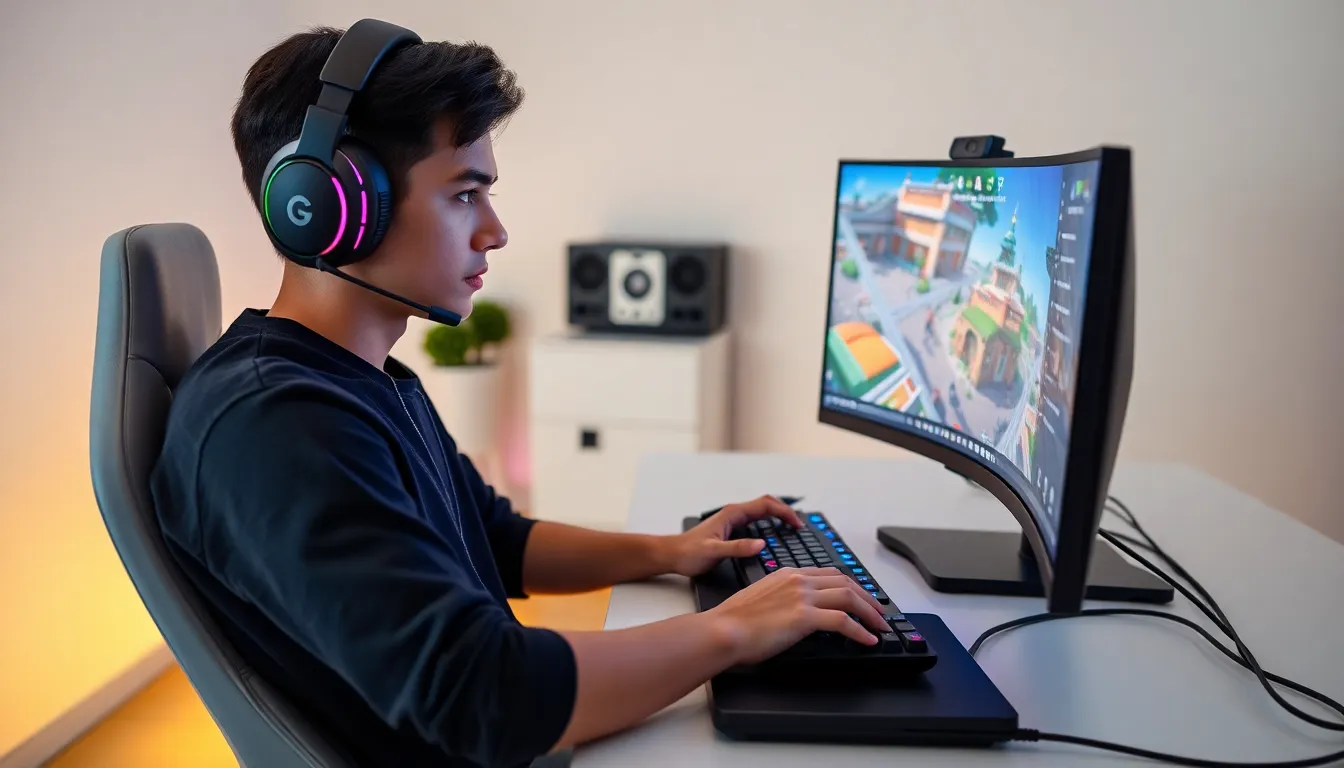

Fortnite strategies separate casual players from consistent winners. The game rewards quick thinking, mechanical skill, and smart decision-making at every stage of a match. Whether players drop hot or play for endgame, success depends on mastering specific techniques.
This guide breaks down the core Fortnite strategies that top players use. From landing spots to final circle fights, each section covers practical tips that work in real matches. Players who apply these concepts will see improvement in their win rates and overall performance.
Table of Contents
ToggleKey Takeaways
- Effective Fortnite strategies start with smart landing decisions—drop at the edge of popular areas to get decent loot while avoiding risky 50/50 fights.
- Master essential builds like 90s, ramp rushes, and box fighting in Creative mode until they become muscle memory.
- Maintain a balanced weapon loadout covering close, mid, and long-range combat, plus healing and utility items.
- Always rotate early by reading the storm circle and using natural terrain for cover to avoid getting caught in the open.
- Enter late game with at least 1,500 total materials and 200 effective health to give yourself the best chance at victory.
- Stay patient in final circles—let opponents make mistakes rather than forcing risky plays that can throw winnable fights.
Mastering the Early Game Drop
The first 60 seconds of any match determine a player’s trajectory. Smart Fortnite strategies begin before boots hit the ground.
Choosing a Landing Spot
Players should pick their drop location based on skill level and goals. Hot drops like Tilted Towers or named POIs offer high loot density but attract multiple squads. Quieter spots give time to loot safely but may require longer rotations.
Experienced players often land at the edge of popular areas. This approach provides decent loot while avoiding immediate 50/50 fights. Players can third-party weakened enemies after nearby skirmishes end.
Maximizing Loot Speed
Speed matters in early game. Players should prioritize weapons first, then shields, then materials. A gray AR beats no weapon every time. Opening chests quickly and moving to the next building creates momentum.
Ground loot spawns in predictable locations. Learning these spots for favorite landing zones saves precious seconds. The player who finds a shotgun first usually wins the initial fight.
Early Fight Decisions
Not every fight needs to happen. If a player lands on a single bandage while an opponent grabs a pump shotgun, disengaging is the smart play. Living to fight later beats dying with zero eliminations. Good Fortnite strategies include knowing when to retreat.
Building and Editing Fundamentals
Building separates Fortnite from other battle royales. Players who master construction gain huge advantages in fights.
Essential Builds to Practice
Every player needs these techniques in their toolkit:
- 90s: The fastest way to gain height. Three walls and a ramp in quick succession create vertical momentum.
- Ramp rushes: Protected approaches using ramp-wall or ramp-floor-wall combinations.
- Box fighting basics: Creating a 1×1, editing out, and resetting walls during close combat.
Practice these builds in Creative mode until they become automatic. Muscle memory wins build fights.
Editing Speed and Accuracy
Fast edits create openings for damage. The window, door, and corner edits are most common in combat. Players should practice edit courses daily to improve speed.
Reset speed matters just as much. After taking a shot through an edit, resetting the wall quickly prevents return fire. This edit-shoot-reset pattern defines high-level play.
Material Management
Running out of materials mid-fight is a death sentence. Players should farm while rotating and aim for 500+ of each material type before endgame. Wood builds fastest, brick offers middle-ground protection, and metal provides the strongest structures.
Smart Fortnite strategies include breaking opponent builds rather than over-building. Sometimes a pickaxe swing beats another wall.
Combat Tactics for Every Engagement
Winning fights requires more than good aim. Positioning, timing, and weapon selection all play critical roles.
Weapon Loadout Priorities
A balanced loadout covers multiple ranges:
- Shotgun for close-range damage
- AR or SMG for mid-range pressure
- Sniper or DMR for long-range picks
- Healing items (at least one slot)
- Utility (mobility items or grenades)
Players should adapt based on available loot. Two shotguns sometimes beats having a sniper if the zone favors close combat.
Aim Techniques
Crosshair placement wins gunfights. Players should keep their aim at head level while moving through buildings. This habit reduces reaction time when enemies appear.
Tracking targets smoothly beats flicking wildly. For shotguns, players should wait for the reticle to tighten before firing. Rushed shots deal less damage.
Third-Party Awareness
Every fight in Fortnite attracts attention. Players should finish engagements quickly or risk getting third-partied. After eliminating an opponent, immediate boxing up and healing prevents the next team from catching them weak.
Sound cues reveal approaching players. Turning down music and using headphones helps players hear footsteps, glider sounds, and building.
These Fortnite strategies apply to solos, duos, and squads alike.
Positioning and Rotation Strategies
Map awareness separates good players from great ones. Knowing where to be, and when, creates free eliminations and safe games.
Reading the Storm Circle
The zone determines rotations. Players should check the map frequently and plan routes early. Waiting until the storm moves forces risky sprints through open ground.
Positioning on the safe side of zone gives options. Players can hold angles, gatekeep rotating enemies, or push into next circle early.
Using Terrain and Cover
Natural cover saves materials. Hills, rocks, and buildings provide protection without building. Smart players use terrain to their advantage during rotations.
High ground offers sightlines and defensive positions. Controlling a hill or mountain during mid-game often leads to easy eliminations on rotating players below.
Vehicle and Mobility Usage
Cars, ATKs, and other vehicles speed up rotations but create noise. Players should use vehicles for long-distance travel, then ditch them before reaching populated areas. Walking into a fight beats driving into an ambush.
Mobility items like shockwaves and grapplers provide escape options. Saving these for emergencies rather than casual travel is a key Fortnite strategy.
Avoiding Common Rotation Mistakes
Crossing open fields during mid-game invites sniper fire. Players should stick to edges of the map when possible and use natural cover. The longest route is sometimes the safest route.
Late Game Decision Making
Final circles demand different Fortnite strategies than early or mid-game. Patience, awareness, and clutch mechanics determine victories.
Managing Materials and Health
Players should enter late game fully stocked. At minimum, 1500 total materials and 200 effective health (100 HP + shields) gives fighting chance. Using big pots and medkits before the final circles keeps inventory slots free.
Reading the Lobby
Knowing how many players remain changes decisions. In stacked lobbies with 20+ players in moving zones, survival matters more than eliminations. In dead lobbies with 5 players left, aggression can secure wins.
Watch the kill feed. If the last few players just finished a fight, pushing immediately catches them healing.
Zone Control and Tunneling
Moving zones require tunneling, building protected paths through the storm. Players should practice box-to-box movement while taking minimal storm damage.
Holding center zone provides the best position. Players in zone can heal while enemies burn through materials and health rotating in.
Clutch Situations
Final 1v1 fights test all skills at once. Players should stay calm, use available cover, and take smart peeks. Overpeeking for extra damage often throws winnable fights.
Patience wins late game. Let opponents make mistakes rather than forcing plays.